
Why Does Your Knee Hurt While Climbing Stairs? Common Causes Explained
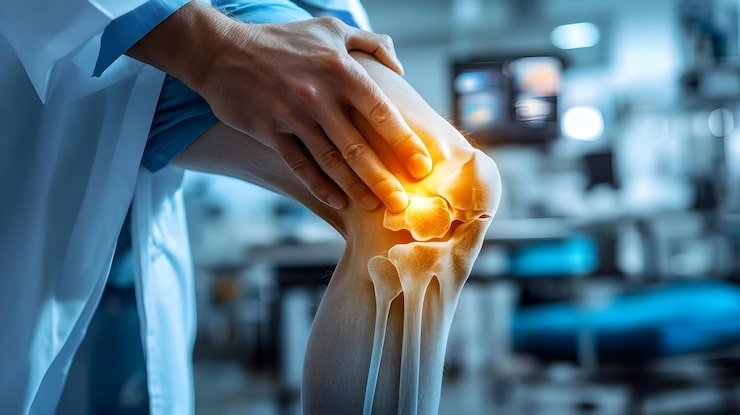
Have you ever noticed knee pain while climbing stairs, even though walking on a flat surface feels completely normal? You are not alone. Stair climbing puts greater demand on the knee joint, particularly the area around the kneecap and pain during this activity can sometimes be an early sign of an underlying knee problem. Consulting an experienced orthopaedic doctor can help identify the exact cause of knee pain and guide you towards the right treatment.
The pain may feel like a dull ache around the kneecap, stiffness inside the joint, a sharp sensation while taking a step or discomfort that becomes worse as you climb more stairs. From an orthopaedic perspective, identifying the source of knee pain is important because it may be linked to problems affecting the bones, joints, muscles, ligaments or cartilage. In some people, it may be related to muscle weakness or overuse, while in others it can be associated with conditions such as patellofemoral pain syndrome, knee osteoarthritis, cartilage problems or a previous knee injury. The good news is that knee pain does not always mean you need surgery. Identifying the actual cause early can help you receive appropriate treatment and prevent the problem from affecting your daily mobility.
Why Does Knee Pain Occur While Climbing Stairs?
When you climb stairs, your knee repeatedly bends while supporting your body weight. This increases the load placed on the joint and the structures around the kneecap. The quadriceps and other muscles around the hip and knee also work harder to control your movement. If the muscles are weak, the kneecap is not tracking properly or the knee joint has cartilage damage, stair climbing may trigger pain. According to the American Academy of Orthopaedic Surgeons, activities such as climbing stairs, squatting and running can aggravate patellofemoral pain.
Common Causes of Knee Pain While Climbing Stairs
1. Patellofemoral Pain Syndrome
One of the common reasons for pain around the kneecap while climbing stairs is patellofemoral pain syndrome (PFPS). It causes pain at the front of the knee or around the kneecap and may develop gradually. It can affect people who are physically active as well as those who are not involved in sports.
Common symptoms include:
- Pain around or behind the kneecap
- Pain while climbing or descending stairs
- Discomfort while squatting
- Pain after sitting with the knee bent for a long time
- Popping or crackling sensations
Muscle weakness, overuse, changes in physical activity and problems with kneecap alignment can contribute to the condition.
2. Knee Osteoarthritis
Knee osteoarthritis is another important cause of pain, particularly in middle-aged and older adults. Osteoarthritis develops when the protective cartilage in the knee gradually wears down. As the condition progresses, movement can become painful and the knee may feel stiff.
People with knee osteoarthritis may experience:
- Pain while climbing stairs
- Knee stiffness, especially after inactivity
- Pain while standing up from a chair
- Difficulty squatting or kneeling
- Swelling around the knee
- Grinding or crackling sensations
Patellofemoral arthritis, which affects the joint between the kneecap and thighbone, can specifically cause pain during stair climbing and other activities that put pressure on the kneecap.
3. Weak Quadriceps and Hip Muscles
Your muscles play an important role in supporting and controlling the knee. Weak quadriceps, hip and gluteal muscles can affect the way your knee moves during activities such as climbing stairs. When the muscles are unable to provide adequate support, additional stress may be placed on the knee and kneecap. This is particularly relevant for people who spend long hours sitting and suddenly increase their physical activity or begin intense workouts without proper conditioning. A structured strengthening programme recommended by an orthopaedic specialist or physiotherapist can help improve muscle strength and knee function.
4. Cartilage Damage
The cartilage inside the knee helps the joint move smoothly. Damage or degeneration of cartilage can cause pain during weight-bearing activities. Cartilage-related problems may occur due to aging, repetitive stress, previous injuries or degenerative changes. Depending on the affected part of the knee, a person may experience pain, stiffness, swelling or difficulty with activities such as climbing stairs, squatting and walking.
5. Previous Knee Injury
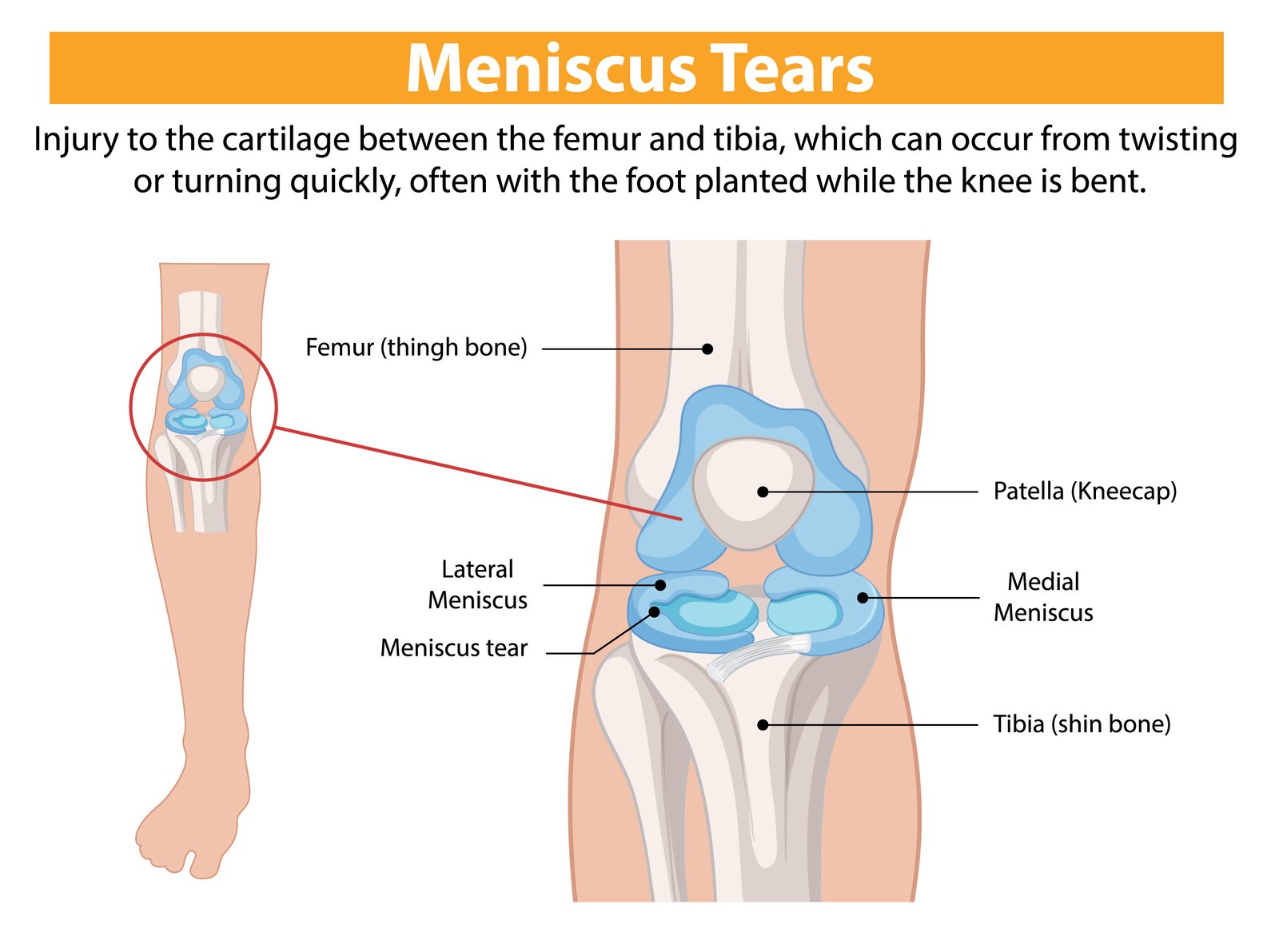
A previous sports injury, fall, twist or accident can sometimes continue to affect the knee even after the initial pain has improved. Injuries involving the meniscus, ligaments or cartilage may cause symptoms during activities that place greater demand on the joint. If your knee pain started after an injury or you experience instability, locking, swelling or a feeling that the knee may give way, it is important to get it evaluated rather than continuing to exercise through the pain.
6. Sudden Increase in Physical Activity
Sometimes knee pain begins after a sudden change in your activity level.
For example, if you normally have a sedentary routine and suddenly start running, doing squats, climbing many stairs or participating in high-impact exercise, the knee may not be adequately conditioned for the increased workload. Gradually increasing exercise intensity and allowing adequate recovery can help reduce unnecessary stress on the joint.
7. Excess Body Weight
Body weight can influence the amount of load placed on the knees during weight-bearing activities. For people who are overweight, activities such as climbing stairs can place considerable demand on the knee joint. Maintaining a healthy weight, combined with appropriate physical activity, can be an important part of long-term knee health.
What Does the Location of Knee Pain Tell You?
The location and nature of your pain can provide useful clues, although it cannot confirm a diagnosis on its own.
Pain at the front of the knee:
May be associated with patellofemoral pain or problems involving the kneecap.
Pain on the inner side of the knee:
Can occur with osteoarthritis, meniscus problems or other soft-tissue conditions.
Pain on the outer side of the knee:
May be related to overuse or problems involving structures on the outside of the knee.
Pain with swelling or locking:
May indicate an internal joint problem and should be assessed by an orthopaedic specialist.
Because different knee conditions can cause similar symptoms, a proper clinical examination is important before deciding on treatment.
When Should You See an Orthopaedic Doctor?
Occasional mild discomfort after unusual physical activity may improve with rest and activity modification. However, persistent or worsening knee pain should not be ignored.
Consider consulting an orthopaedic specialist in Delhi NCR if:
- Knee pain continues for several days or keeps returning
- Pain is making it difficult to climb stairs or walk normally
- Your knee becomes swollen
- You experience stiffness regularly
- The knee clicks or grinds along with pain
- Your knee feels unstable or gives way
- The joint locks or gets stuck
- Pain began after a fall, twist or sports injury
- Pain is affecting your daily activities
Early evaluation can help identify the cause and determine whether conservative treatment, physiotherapy, medication or another treatment approach is appropriate.
How Is Knee Pain Diagnosed?
Your doctor will generally begin by discussing your symptoms, medical history, previous injuries and activity levels.
A physical examination may assess:
- Knee movement and flexibility
- Joint stability
- Muscle strength
- Kneecap movement
- Areas of tenderness
- Swelling and alignment
Depending on the suspected cause, imaging such as an X-ray or MRI may be recommended. X-rays can help assess bone changes and arthritis, while MRI can provide more detailed information about soft tissues and cartilage.
Not every person with knee pain requires an MRI. The appropriate investigation depends on your symptoms and the findings during examination.
Treatment for Knee Pain While Climbing Stairs
Treatment depends on the underlying cause, severity of symptoms and overall health.
Physiotherapy and Exercise
A personalised exercise programme may help strengthen the muscles supporting the knee, improve flexibility and optimise movement patterns. Depending on the condition, exercises may focus on the quadriceps, hamstrings, hips and gluteal muscles.
Activity Modification
If certain activities consistently trigger pain, temporarily reducing or modifying them may allow the knee to recover. For example, a doctor or physiotherapist may recommend reducing high-impact exercise and gradually returning to normal activity as symptoms improve.
Weight Management
For individuals who are overweight, achieving and maintaining a healthy weight can reduce stress on weight-bearing joints and may form part of a comprehensive knee-care plan.
Medication
Depending on the cause of pain, a doctor may recommend appropriate pain-relieving or anti-inflammatory medication. These medicines should be taken according to professional medical advice, particularly if you have other health conditions or take other medications.
Other Treatments
For some knee conditions that do not respond adequately to conservative treatment, an orthopaedic specialist may discuss additional options based on the diagnosis.
The right treatment should always be selected after identifying the actual source of the knee pain rather than treating the symptom alone.
Can You Prevent Knee Pain While Climbing Stairs?
You cannot prevent every cause of knee pain, but several habits can support healthier knees:
- Maintain a healthy body weight
- Strengthen your leg and hip muscles
- Increase exercise intensity gradually
- Warm up before strenuous activity
- Avoid suddenly increasing running or stair workouts
- Use proper technique during exercise
- Give your body adequate recovery time
- Do not repeatedly ignore persistent knee pain
If stair climbing consistently causes pain, changing your activity temporarily and getting the knee assessed can be more helpful than simply pushing through the discomfort.
Knee Pain While Climbing Stairs: Don't Ignore the Early Signs
Knee pain while climbing stairs is not necessarily a sign of severe joint damage, but recurring pain deserves attention. Conditions such as patellofemoral pain syndrome, osteoarthritis, cartilage problems and previous injuries can all contribute to stair-related knee pain. The important step is to understand why your knee hurts rather than assuming that the pain is simply due to age, weakness or normal wear and tear. If knee pain is persistent, worsening or affecting your ability to walk, exercise or use stairs, consult an orthopaedic specialist for an appropriate evaluation. Early diagnosis and personalised treatment can often help manage symptoms and maintain knee function.
Looking for Knee Pain Treatment in Delhi NCR?
If you are experiencing persistent knee pain while climbing stairs, consult an experienced orthopaedic specialist in Delhi NCR for a proper evaluation. The treatment plan should be based on the underlying cause, your symptoms, activity level and overall knee health.
Frequently Asked Questions
1. Why does my knee hurt when I climb stairs?
Knee pain while climbing stairs can be caused by patellofemoral pain syndrome, osteoarthritis, muscle weakness, cartilage problems, previous injuries or overuse. A clinical evaluation is recommended if the pain persists.
2. Is knee pain while climbing stairs a sign of arthritis?
It can be. Knee arthritis may cause pain and stiffness during activities such as climbing stairs, squatting and standing up from a chair. However, stair-related pain can also occur due to other conditions.
3. How can I reduce knee pain while climbing stairs?
Depending on the cause, activity modification, appropriate strengthening exercises, physiotherapy and weight management may help. Persistent pain should be evaluated by an orthopaedic specialist.
4. Should I avoid stairs if my knee hurts?
If stairs consistently increase your pain, temporarily reducing stair use may be helpful. However, completely avoiding movement is not always necessary. Your doctor or physiotherapist can advise you based on the underlying condition.
5. When should I see a doctor for knee pain?
Consult an orthopaedic doctor if the pain keeps returning, gets worse, causes swelling or stiffness, affects walking or is associated with locking, instability or a previous injury.
6. Can physiotherapy help with knee pain?
Physiotherapy can be useful for several causes of knee pain. A personalized programme may improve muscle strength, flexibility, movement control and overall knee function.