Introduction
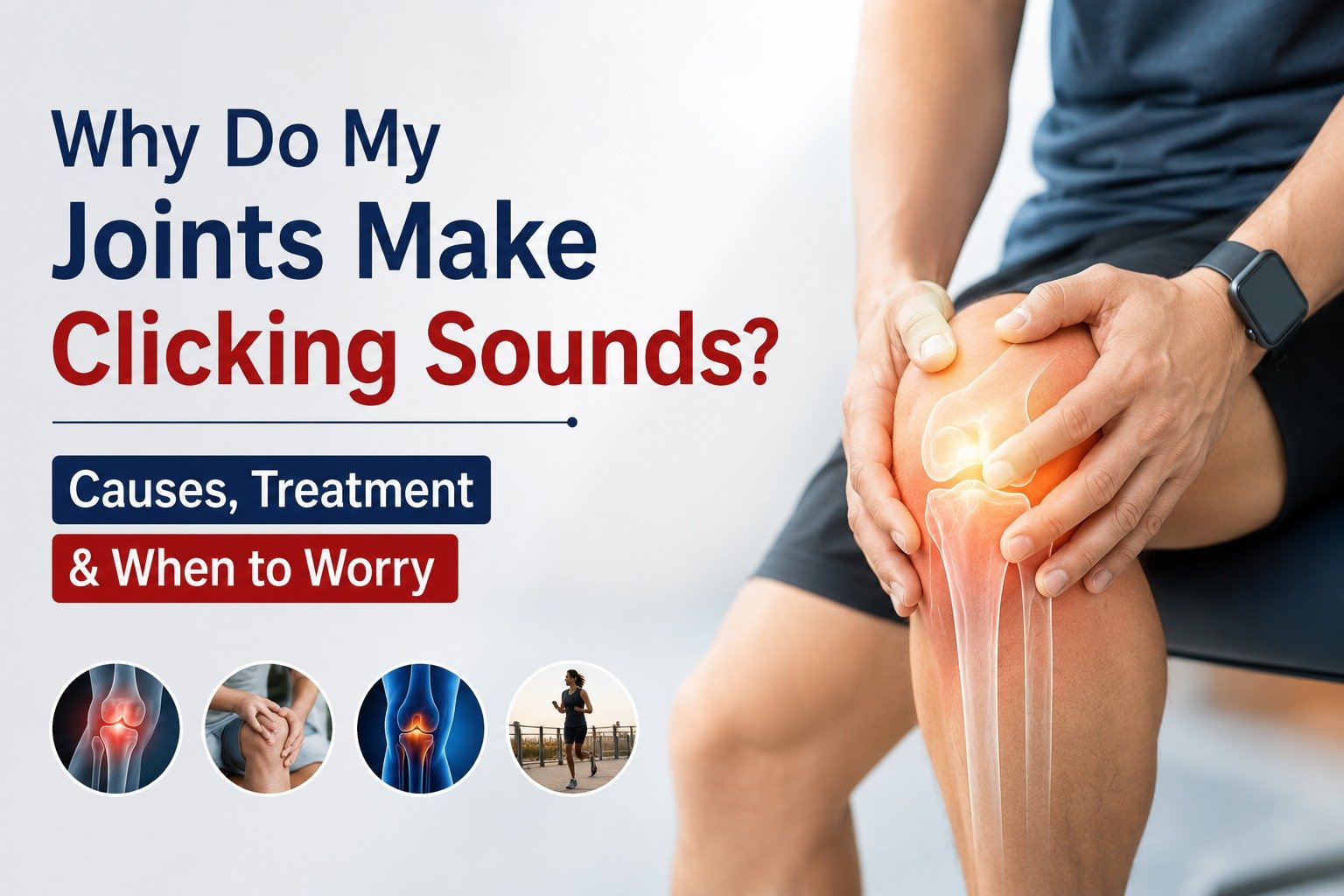
Have you ever noticed a clicking, cracking or popping sound when bending your knees, rotating your shoulders or moving your fingers? For many people, these sounds can be surprising and sometimes even concerning.
The good news is that joint clicking is often harmless and doesn't necessarily indicate a serious problem. However, when the clicking sound is accompanied by pain, swelling, stiffness or reduced movement, it may signal an underlying orthopaedic condition that requires medical attention.
Understanding why your joints make these sounds can help you determine whether it's a normal part of movement or a sign that it's time to consult an orthopaedic specialist.
In this guide, we'll explain the common causes of joint clicking, when you should be concerned, available treatment options and practical tips to keep your joints healthy.
What Is Joint Clicking?
Joint clicking, also known as joint popping or crepitus, refers to the audible sounds you hear when moving a joint.
These sounds may occur in the:
- Knees
- Shoulders
- Ankles
- Hips
- Wrists
- Fingers
- Neck
- Jaw
The sound may resemble:
- Click
- Pop
- Crack
- Snap
- Grinding (in some conditions)
Most people experience joint clicking occasionally, especially after sitting for a long time or during exercise.
Is Joint Clicking Normal?
In many cases, yes. If your joints make clicking sounds without pain, swelling or stiffness, it is generally considered a normal physiological occurrence.
Healthy joints naturally move with the help of cartilage, ligaments, tendons and synovial fluid. During movement, these structures can create harmless sounds. However, persistent clicking associated with discomfort should never be ignored.
Why Do My Joints Make Clicking Sounds?
1. Gas Bubbles Inside the Joint
A harmless and common cause of joint popping.
One of the most common causes is the release of tiny gas bubbles within the synovial fluid that lubricates your joints. As pressure changes during movement, these bubbles collapse or burst, creating the familiar popping sound.
This type of clicking is completely harmless and does not damage your joints.
2. Tendons Moving Over Bones
Tendons may shift slightly during movement.
Tendons connect muscles to bones. During movement, a tendon may briefly shift over a nearby bone before returning to its normal position, producing a clicking sensation.
This commonly occurs in the:
- Shoulder
- Knee
- Hip
- Ankle
If there is no pain, treatment is usually unnecessary.
3. Ligament Movement
Ligaments can also create clicking sounds.
Ligaments stabilize joints. When a joint changes position, ligaments may stretch or move slightly, producing an audible click.
This is another normal cause of painless joint sounds.
4. Cartilage Wear Due to Osteoarthritis
Joint wear may lead to painful clicking.
As cartilage gradually wears away with age or arthritis, joint surfaces become rough.
Instead of smooth movement, the bones may create:
- Grinding
- Clicking
- Crunching sensations
Osteoarthritis is particularly common in:
- Knees
- Hips
- Hands
The clicking is often accompanied by stiffness and pain.
5. Meniscus Injury
A common cause of painful knee clicking.
The meniscus acts as a cushion inside the knee. A torn meniscus may cause:
- Clicking
- Locking
- Knee pain
- Swelling
- Difficulty bending the knee
This injury often occurs during sports or sudden twisting movements.
6. Cartilage Damage
Damaged cartilage can affect joint movement.
Injuries or repeated stress may damage the cartilage lining the joints.
- Painful clicking
- Reduced mobility
- Swelling
- Joint instability
Early diagnosis helps prevent further damage.
7. Sports Injuries
Active individuals are at higher risk.
Athletes and physically active individuals frequently experience joint clicking due to:
- Ligament injuries
- Tendon irritation
- Muscle imbalance
- Overuse injuries
Ignoring persistent symptoms can increase the risk of long-term joint problems.
8. Previous Joint Injury
Old injuries may continue to affect movement.
Old fractures, ligament tears or surgeries may change how a joint moves. Even after healing, some people continue to notice painless clicking during movement.
Common Joints That Produce Clicking Sounds
Clicking Knee
Knee clicking is the most common complaint. Possible causes include:
- Gas bubbles
- Meniscus injury
- Osteoarthritis
- Patellar tracking problems
- Cartilage wear
Shoulder Clicking
Shoulder clicking may result from:
- Tendon movement
- Rotator cuff problems
- Shoulder instability
- Labral injuries
Hip Clicking
Sometimes known as Snapping Hip Syndrome, this occurs when tendons move over the hip bone. It often affects dancers, runners and athletes.
Ankle Clicking
Ankle popping can occur due to:
- Tight tendons
- Previous sprains
- Ligament laxity
- Joint stiffness
Finger Cracking
Cracking your knuckles usually releases gas bubbles inside the joint. Current evidence suggests that occasional knuckle cracking alone is unlikely to cause arthritis.
When Should You Worry About Joint Clicking?
Although occasional clicking is common, certain symptoms should never be ignored. Consult an orthopaedic specialist if you experience:
- Persistent joint pain
- Swelling
- Redness or warmth
- Limited range of motion
- Joint locking
- Difficulty walking
- Recurrent instability
- Clicking after a significant injury
These symptoms may indicate a more serious joint condition requiring proper medical evaluation.
How Is the Cause Diagnosed?
A detailed examination helps identify the underlying cause of joint clicking.
Physical Examination
- Joint movement assessment
- Stability testing
- Pain evaluation
Medical History
Your orthopaedic specialist may ask about:
- Previous injuries
- Sports activities
- Pain duration
- Family history of arthritis
Imaging Tests
Depending on your symptoms, your doctor may recommend:
- X-rays
- MRI Scan
- Ultrasound
- CT Scan (in selected cases)
These investigations help evaluate bones, cartilage, ligaments, tendons and other soft tissues.
Treatment for Clicking Joints
Treatment depends entirely on the underlying cause.
Lifestyle Modifications
- Weight management
- Regular low-impact exercise
- Proper posture
- Activity modification
Physiotherapy
Physiotherapy can help:
- Strengthen muscles
- Improve flexibility
- Enhance joint stability
- Correct movement patterns
It is often recommended for knee, shoulder and hip problems.
Medications
If pain or inflammation is present, your doctor may prescribe appropriate medications. Avoid self-medication without professional medical advice.
Supportive Braces
In some cases, knee braces or supportive devices may improve joint stability during recovery.
Minimally Invasive Arthroscopy
If cartilage damage, ligament injuries or meniscus tears are identified, arthroscopic surgery may be recommended. This minimally invasive procedure allows both diagnosis and treatment through small incisions, often leading to quicker recovery than traditional surgery.
Joint Replacement Surgery
For severe arthritis with persistent pain and significant loss of function, joint replacement may be considered after conservative treatments have failed.
Can Joint Clicking Be Prevented?
While not every cause is preventable, healthy habits can reduce the risk of joint problems.
Maintain a Healthy Weight
Extra body weight increases pressure on weight-bearing joints, especially the knees and hips.
Exercise Regularly
Choose joint-friendly activities such as:
- Walking
- Swimming
- Cycling
- Yoga
These exercises help strengthen the muscles that support your joints.
Warm Up Before Exercise
A proper warm-up prepares muscles, tendons and ligaments for activity, reducing the risk of injury.
Avoid Repetitive Overuse
Frequent repetitive movements without adequate rest can strain joints over time. Take regular breaks during prolonged physical activities.
Eat a Balanced Diet
Include the following in your daily diet:
- Calcium-rich foods
- Vitamin D
- Lean protein
- Fresh fruits and vegetables
- Healthy fats
Listen to Your Body
Never ignore persistent pain, swelling or reduced mobility. Early treatment often prevents more serious joint damage.
Can Exercise Help Clicking Joints?
Yes, in many cases. Strengthening the muscles around your joints improves stability and reduces unnecessary stress.
Beneficial exercises include:
- Quadriceps strengthening
- Hamstring stretches
- Hip strengthening
- Shoulder mobility exercises
- Core strengthening
However, if clicking is painful or follows an injury, consult a healthcare professional before starting an exercise programme.
Why Early Evaluation Matters
Many joint conditions respond well to early treatment. Delaying medical evaluation can allow minor issues to progress into more complex problems.
An orthopaedic specialist can identify the cause of persistent clicking, recommend appropriate investigations if needed and develop a treatment plan tailored to your condition. Early diagnosis may improve long-term joint health and help maintain mobility.
Conclusion
Joint clicking is a common experience and is often harmless, especially when it occurs without pain or other symptoms. In many cases, it results from normal movement of tendons, ligaments or gas bubbles within the joint.
However, clicking accompanied by pain, swelling, stiffness, instability or limited movement should not be ignored. These symptoms may indicate conditions such as cartilage damage, meniscus tears or osteoarthritis that require medical evaluation.
Maintaining an active lifestyle, following a balanced diet, strengthening the muscles around your joints and seeking timely orthopaedic care when symptoms persist can go a long way in protecting your joint health.
If you're experiencing ongoing joint clicking that affects your daily activities, consulting an experienced orthopaedic specialist can help determine the cause and guide you towards the most appropriate treatment.
Frequently Asked Questions (FAQs)
1. Is it normal for joints to make clicking sounds?
Yes. Joint clicking without pain or swelling is usually normal and often results from gas bubbles or tendon movement.
2. When should I see a doctor for clicking joints?
You should consult an orthopaedic specialist if the clicking is accompanied by pain, swelling, stiffness, joint locking or difficulty moving the joint.
3. Can knee clicking be a sign of arthritis?
Yes. Persistent knee clicking with pain and stiffness may be associated with osteoarthritis or cartilage wear and should be evaluated by a doctor.
4. Can exercise reduce joint clicking?
Strengthening exercises and physiotherapy may improve joint stability and reduce clicking caused by muscle weakness or poor joint mechanics.
5. Does cracking knuckles cause arthritis?
Current research has not established that occasional knuckle cracking causes arthritis, although excessive force may irritate surrounding tissues.
6. Can joint clicking be treated without surgery?
Yes. Many cases improve with physiotherapy, lifestyle changes, weight management and appropriate medical treatment. Surgery is generally reserved for structural problems or severe joint damage.