Introduction
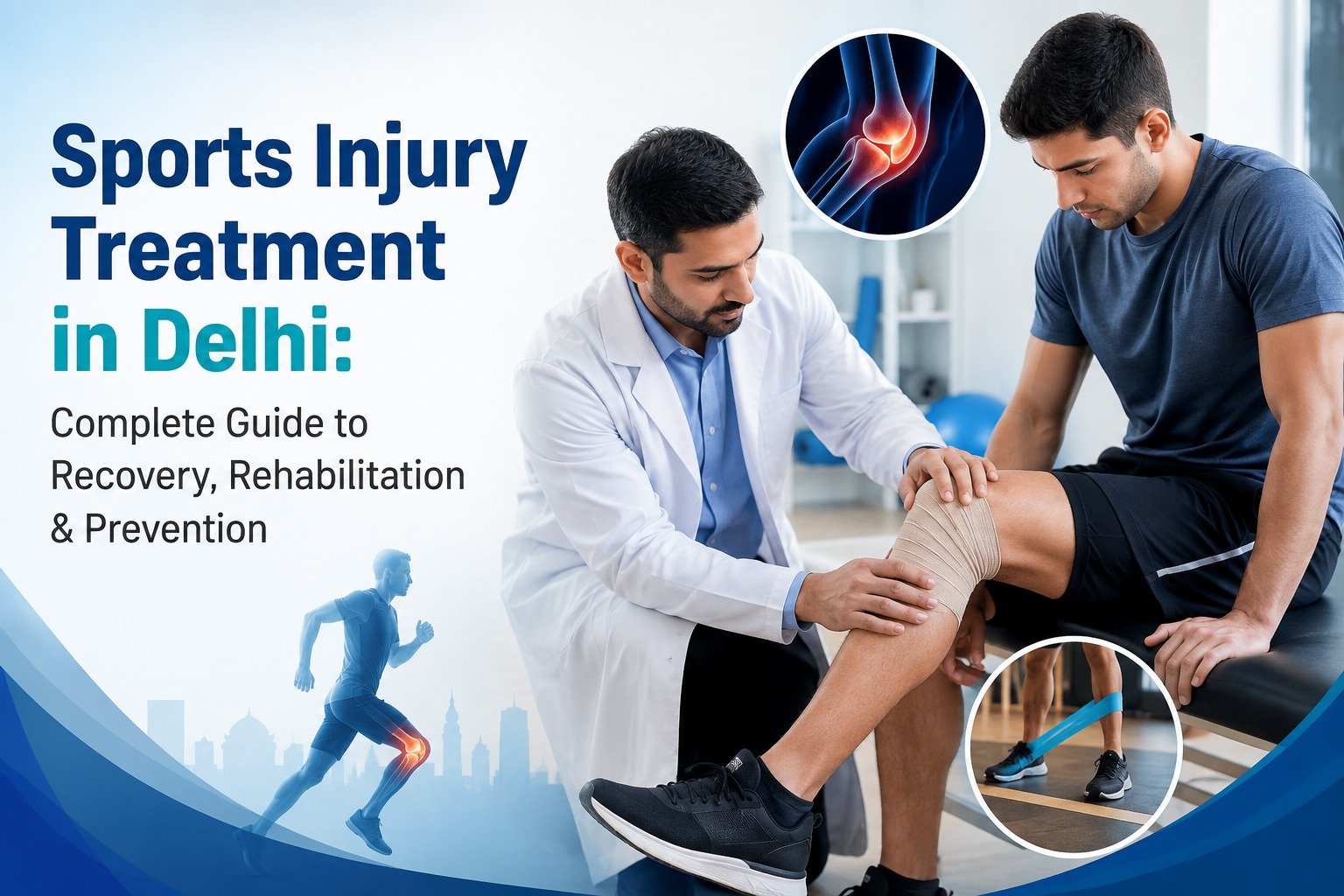
Whether you're a professional athlete, fitness enthusiast, weekend runner or someone who enjoys recreational sports, injuries can happen at any time. Ignoring pain or continuing physical activity despite discomfort can make a minor injury much worse. Fortunately, with timely Sports Injury Treatment in Delhi, most injuries can be treated successfully, allowing you to return to your active lifestyle safely.
Delhi is a leading destination for orthopaedic care, offering experienced specialists, advanced diagnostic technology, minimally invasive treatment options and comprehensive rehabilitation programs. Consulting an experienced orthopaedic doctor at the right time can speed up recovery, reduce the risk of complications, improve joint function and help you return to your daily activities with confidence.
This guide explains everything you need to know about sports injuries, including their causes, symptoms, diagnosis, treatment options, recovery process and prevention strategies.
What is a Sports Injury?
A sports injury refers to any damage to the muscles, ligaments, tendons, bones, joints or cartilage that occurs during physical activity or sports participation. While athletes commonly experience sports injuries, they can also affect people who exercise regularly or participate in recreational activities.
Sports injuries may occur suddenly because of trauma or develop gradually due to repetitive stress on muscles and joints. Early diagnosis by a Sports Injury Specialist in Delhi helps determine the severity of the injury and prevents long-term damage.
Common Types of Sports Injuries
Different sports involve different movements, making certain injuries more common than others.
Ligament Injuries
Ligaments connect bones together. Sudden twisting movements can tear these structures, particularly in the knee and ankle.
Examples include:
- ACL Tear
- MCL Injury
- Ankle Ligament Tear
Muscle Strains
Muscle strains occur when muscles are overstretched or torn due to excessive force or improper warm-up.
Common examples include:
- Hamstring strain
- Calf muscle injury
- Groin strain
Tendon Injuries
Tendons connect muscles to bones. Repetitive movements may cause inflammation or tears.
Examples:
- Achilles Tendon Injury
- Rotator Cuff Tear
- Tennis Elbow
Knee Injuries
The knee is one of the most commonly injured joints during sports.
Common conditions include:
- Meniscus Tear
- ACL Injury
- Patellar Tendon Injury
- Cartilage Damage
Shoulder Injuries
Overhead sports such as cricket, badminton, volleyball and swimming frequently lead to shoulder injuries.
These include:
- Shoulder Dislocation
- Rotator Cuff Injury
- Labral Tear
Fractures
High-impact sports may result in broken bones requiring immediate medical treatment.
Causes of Sports Injuries
Several factors contribute to sports injuries.
Some of the most common causes include:
- Poor warm-up before exercise
- Incorrect training techniques
- Overtraining
- Muscle weakness
- Sudden increase in workout intensity
- Lack of flexibility
- Improper footwear
- Direct collision during sports
- Previous untreated injuries
- Poor playing surface
Understanding these risk factors helps reduce the likelihood of injury.
Symptoms You Should Never Ignore
Not every sports injury causes severe pain immediately. However, certain symptoms indicate the need for immediate evaluation by a Sports Injury Doctor in Delhi.
Common symptoms are:
- Persistent joint pain
- Swelling
- Bruising
- Difficulty walking
- Limited movement
- Joint instability
- Clicking or locking of joints
- Muscle weakness
- Numbness
- Inability to bear weight
Ignoring these symptoms can worsen the injury and prolong recovery.
Diagnosis of Sports Injuries
An accurate diagnosis forms the foundation of effective treatment.
Your orthopaedic specialist may recommend:
Physical Examination
The doctor evaluates:
- Range of motion
- Joint stability
- Muscle strength
- Pain location
X-rays
Useful for detecting fractures and bone injuries.
MRI Scan
MRI provides detailed images of ligaments, tendons, cartilage and muscles.
CT Scan
Helpful for complex bone injuries.
Ultrasound
Often used for tendon and muscle injuries.
Proper diagnosis ensures that treatment targets the exact cause of pain.
Sports Injury Treatment in Delhi
Treatment depends on the type, location and severity of the injury.
1. Immediate First Aid (RICE Method)
For minor injuries, doctors often recommend:
- Rest
- Ice application
- Compression
- Elevation
This helps reduce swelling and pain during the first 48 hours.
2. Medications
Pain-relieving medications and anti-inflammatory medicines may help reduce discomfort and swelling under medical supervision.
3. Physiotherapy
Physiotherapy plays a major role in recovery.
Benefits include:
- Improving flexibility
- Restoring muscle strength
- Reducing pain
- Preventing stiffness
- Improving balance
- Preventing future injuries
4. Sports Rehabilitation
Sports rehabilitation focuses on restoring full physical performance through customized exercise programs.
It helps athletes safely return to sports while reducing the risk of re-injury.
5. PRP Therapy
Platelet-Rich Plasma (PRP) therapy is sometimes recommended for tendon injuries and certain ligament problems to support the body's natural healing process.
6. Arthroscopic Surgery
Some injuries require minimally invasive surgery.
Common conditions treated arthroscopically include:
- ACL Reconstruction
- Meniscus Repair
- Rotator Cuff Repair
- Shoulder Stabilization
- Cartilage Procedures
Arthroscopy involves smaller incisions, less pain, faster recovery and reduced hospital stay compared to traditional surgery.
7. Fracture Management
Sports-related fractures may require casting, splinting or surgical fixation depending on severity.
Tips to Prevent Sports Injuries
Prevention is always better than treatment.
Follow these expert recommendations:
- Warm up before every workout.
- Stretch regularly.
- Wear proper sports shoes.
- Increase training gradually.
- Maintain proper technique.
- Stay hydrated.
- Strengthen core muscles.
- Get adequate rest.
- Avoid overtraining.
- Never ignore persistent pain.
When Should You See a Sports Injury Specialist?
Consult a Sports Injury Specialist in Delhi if you experience:
- Severe pain after activity
- Joint instability
- Repeated injuries
- Persistent swelling
- Limited movement
- Inability to continue sports
- Pain lasting more than a few days
Early treatment often leads to faster recovery and prevents chronic complications.
Why Choose Expert Sports Injury Treatment in Delhi?
Delhi offers advanced orthopaedic care with experienced specialists, modern diagnostic facilities, minimally invasive surgical techniques and structured rehabilitation programs.
Choosing an experienced orthopaedic doctor ensures:
- Accurate diagnosis
- Personalized treatment plan
- Advanced surgical options
- Faster recovery
- Comprehensive rehabilitation
- Reduced risk of recurrence
- Long-term joint health
Conclusion
Sports injuries should never be ignored, regardless of whether you are a professional athlete or someone who exercises for fitness. Prompt evaluation, accurate diagnosis and the right treatment approach can significantly improve recovery and help prevent long-term complications.
With access to experienced specialists, advanced imaging, modern surgical techniques and personalized rehabilitation programs, Sports Injury Treatment in Delhi provides comprehensive care for a wide range of sports-related injuries. Seeking timely medical attention not only relieves pain but also helps you return to your daily activities and sports with confidence.
If you experience persistent pain, swelling, instability or reduced movement after a sports injury, consult an experienced orthopaedic specialist for an accurate diagnosis and a customized treatment plan.
Frequently Asked Questions (FAQs)
1. What is the most common sports injury?
Sprains, strains, ACL tears, ankle injuries and shoulder injuries are among the most common sports injuries.
2. How do I know if my sports injury needs medical attention?
If you experience severe pain, swelling, inability to bear weight, joint instability or symptoms lasting more than a few days, consult a sports injury specialist.
3. Can sports injuries heal without surgery?
Yes. Many sports injuries can be treated successfully with rest, physiotherapy, medications and rehabilitation. Surgery is recommended only for severe injuries or when conservative treatment does not provide relief.
4. How long does recovery from a sports injury take?
Recovery depends on the type and severity of the injury. Minor strains may heal within a few weeks, while ligament reconstruction surgeries such as ACL repair may require several months of rehabilitation.
5. Is physiotherapy necessary after a sports injury?
Yes. Physiotherapy helps restore strength, flexibility, balance and mobility while reducing the risk of future injuries and supporting a safe return to sports.
6. How can I prevent sports injuries?
Warm up before exercise, use proper technique, wear appropriate footwear, strengthen muscles, avoid overtraining, stay hydrated and seek medical advice if pain persists.