
Best Treatment for Meniscus Root Tear in Noida: Diagnosis and Surgical Options
Knee pain after a sudden twist, sports injury, squat or even a seemingly minor movement should not always be treated as a routine meniscus tear. In some patients, the injury involves the meniscus root, the area where the meniscus attaches to the bone. A meniscus root tear can interfere with the meniscus's ability to distribute load across the knee and may contribute to cartilage damage and degenerative changes if left untreated. For people experiencing persistent knee pain, swelling, clicking or difficulty putting weight on the affected leg, an accurate diagnosis is important. Depending on the type of tear, the condition of the knee and the patient's overall health, treatment may range from activity modification and rehabilitation to meniscus root repair surgery.
If you are searching for meniscus root tear treatment in Noida or Delhi NCR, understanding the diagnosis and available treatment options can help you make a more informed decision with your orthopaedic specialist.
What Is a Meniscus Root Tear?
The menisci are two crescent-shaped pieces of cartilage located between the thighbone and shinbone. They act as shock absorbers and help distribute forces across the knee joint. The roots are the attachment points that anchor the meniscus to the tibia. A meniscus root tear occurs when this attachment is damaged or the tissue tears close to its root. A root tear can be particularly important because it may compromise the normal load-sharing function of the meniscus. Research suggests that root tears can alter knee biomechanics in a way that resembles loss of a substantial portion of the meniscus, potentially increasing stress on the articular cartilage.
Meniscus root tears may involve either the medial or lateral meniscus. Medial meniscus posterior root tears are commonly discussed in adults, while lateral root injuries may occur in association with sports-related knee injuries.
What Causes a Meniscus Root Tear?
A meniscus root tear can occur because of either an acute injury or degenerative changes.
Common causes include:
- Sudden twisting of the knee
- Sports injuries
- Deep squatting
- Heavy lifting with the knee under stress
- A sudden change in direction while running
- Degenerative changes associated with age
- Repetitive stress on the knee
- Existing cartilage or alignment problems
In younger, active individuals, an acute sports injury may cause a root tear. In middle-aged or older adults, degenerative changes can contribute to a tear, sometimes following relatively low-impact movements.
Meniscus Root Tear Symptoms
Symptoms can vary depending on the location and severity of the tear.
Common signs include:
Knee Pain
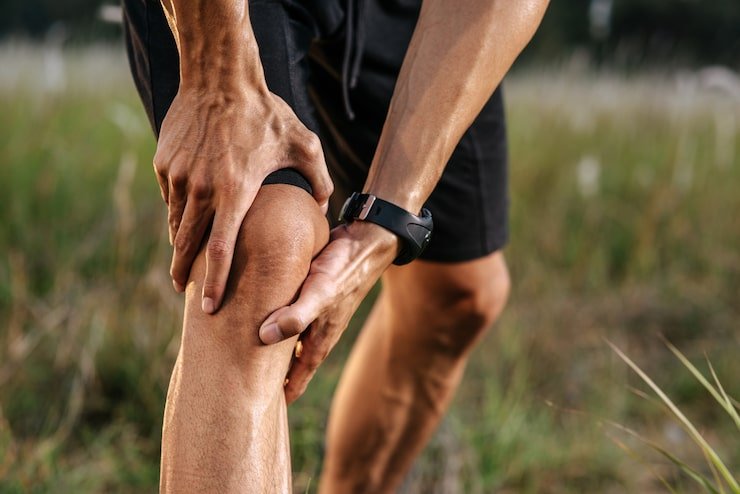
Pain may occur along the joint line or deeper inside the knee. Some patients notice pain during squatting, climbing stairs or walking for longer periods.
Swelling
Knee swelling may develop after an injury or activity. Persistent or recurrent swelling should be evaluated rather than repeatedly managed with pain medication alone.
Clicking or Popping
Some people experience clicking, popping or a catching sensation while bending or straightening the knee.
Difficulty Squatting
Deep bending may become uncomfortable or difficult.
Reduced Knee Movement
Pain and swelling can limit the ability to fully bend or straighten the knee.
Pain During Weight-Bearing
Walking, standing for prolonged periods or climbing stairs may become uncomfortable. However, symptoms alone cannot confirm a meniscus root tear. A physical examination and appropriate imaging are often required.
How Is a Meniscus Root Tear Diagnosed?
Diagnosis generally begins with a detailed medical history and physical examination.
An orthopaedic specialist may ask about:
- How the injury occurred
- When the pain started
- Whether swelling developed
- Previous knee injuries
- Sports and physical activities
- Pain during squatting or stairs
- Any locking or catching sensation
During the examination, the doctor may assess joint-line tenderness, knee movement, stability and other signs associated with meniscal pathology.
MRI for Meniscus Root Tear
MRI is an important imaging tool for evaluating meniscus injuries, including suspected root tears. It can help assess the location and extent of the tear as well as associated cartilage, ligament and bone changes. However, MRI findings need to be interpreted along with symptoms and clinical examination. The treatment decision should not be based on an imaging report alone. AAOS patient guidance notes that MRI is highly accurate for diagnosing meniscus tears and that clinical examination is also an important part of assessment.
Can a Meniscus Root Tear Heal Without Surgery?
Not every meniscus root tear automatically requires surgery.
The appropriate approach depends on several factors, including:
- Type and location of the tear
- Whether the tear is acute or degenerative
- Age and activity level
- Degree of meniscal extrusion
- Cartilage condition
- Knee alignment
- Presence of osteoarthritis
- Severity of symptoms
- Overall health
- Functional requirements
Conservative management may be considered in selected patients, particularly when surgery is not appropriate or when the knee has advanced degenerative changes. Treatment may include activity modification, pain management and physiotherapy under professional guidance. However, root tears are different from many uncomplicated meniscus tears because they can significantly affect the mechanics of the knee. Therefore, persistent symptoms should be evaluated by a knee specialist rather than assuming that the injury will heal on its own.
Best Treatment for Meniscus Root Tear
There is no single treatment that is best for every patient. The objective is to relieve symptoms, preserve knee function and, when appropriate, protect the meniscus and joint from further degeneration.
1. Non-Surgical Treatment
For selected patients, conservative treatment may include:
- Activity modification
- Physiotherapy
- Strengthening exercises
- Weight management where appropriate
- Pain and inflammation management
- Gradual return to activity
Physiotherapy may focus on improving the strength and control of muscles around the knee and hip.
Conservative treatment should be individualized rather than followed from generic online exercise programs.
2. Meniscus Root Repair
When a patient is an appropriate surgical candidate, meniscus root repair may be considered to restore the attachment of the meniscus. A systematic review published in 2025 found that root repair had better structural and clinical outcomes than partial meniscectomy and nonoperative treatment in the available literature, although the authors also emphasized heterogeneity and limitations in the evidence.
Recent 2026 evidence also reports favorable outcomes with different repair techniques, including pull-out and all-inside approaches, but technique selection depends on the individual tear and surgeon assessment.
3. Arthroscopic Meniscus Root Repair
Meniscus root repair is commonly performed using knee arthroscopy. During arthroscopic surgery, small incisions are made around the knee to introduce a camera and surgical instruments. The surgeon evaluates the joint and repairs the torn meniscus root using an appropriate technique. One commonly used approach is transtibial pull-out repair, in which sutures are placed through the torn root and secured through a small bone tunnel in the tibia. Another option in selected cases is an all-inside repair technique. Recent research suggests that both approaches can improve clinical outcomes, although the best technique depends on factors such as tear pattern, tissue quality, anatomy and surgeon experience.
When Is Meniscus Root Repair Recommended?
Meniscus root repair may be considered when the tear is repairable and the patient's knee has characteristics that make joint preservation a reasonable goal.
Factors that may influence the decision include:
- Repairable root tear
- Relatively preserved cartilage
- Limited or manageable osteoarthritis
- Appropriate knee alignment
- Persistent symptoms
- Suitable activity level
- Patient's overall health
- Ability to follow postoperative rehabilitation
Research has identified advanced cartilage damage and significant varus alignment as factors associated with poorer outcomes after medial meniscus root repair.
This is why a detailed evaluation is important before recommending surgery.
Is Partial Meniscectomy Used for Meniscus Root Tears?
Partial meniscectomy involves removing the damaged portion of the meniscus rather than repairing it. While meniscectomy can be appropriate for certain types of meniscal pathology, root tears require special consideration because removing the torn root region does not restore the normal attachment and load-sharing function of the meniscus. Evidence comparing treatments for meniscus root tears has generally favored repair in appropriately selected patients, although the quality and consistency of available evidence remain limitations.
Therefore, the decision between repair, partial meniscectomy and nonoperative care should be made after evaluating the specific tear and condition of the knee.
Meniscus Root Repair Recovery
Recovery after meniscus root repair is different from recovery after a simple meniscus procedure. Because the repaired tissue needs time to heal, the surgeon may initially restrict weight-bearing and knee movement. Crutches or a brace may be recommended during the early recovery period.
Rehabilitation generally progresses through stages:
- Early phase: Protect the repair and control pain and swelling.
- Intermediate phase: Gradually restore knee movement and begin appropriate strengthening.
- Strengthening phase: Improve muscle strength, balance and functional control.
- Return-to-activity phase: Gradually resume normal activities and, where appropriate, sports.
- The exact rehabilitation timeline varies from patient to patient. Returning to running, jumping or sports too quickly may place unnecessary stress on the healing repair.
Why Early Evaluation Matters
A meniscus root tear should not be ignored simply because the initial pain seems manageable. Root tears can alter the mechanics of the knee and are associated with meniscal extrusion, cartilage damage and progression of degenerative changes. Recent reviews have found increasing consensus around the importance of appropriate and timely assessment and repair in selected patients, although important questions about patient selection and long-term outcomes remain. Early specialist evaluation does not necessarily mean surgery. It means understanding the injury before deciding whether conservative care, repair or another treatment is appropriate.
Meniscus Root Tear Treatment in Noida and Delhi NCR
If you are experiencing persistent knee pain after an injury or have been diagnosed with a meniscus root tear, consulting an experienced orthopaedic or knee specialist can help determine the most appropriate treatment. Patients searching for meniscus root tear treatment in Noida, meniscus root repair in Noida or meniscus root tear surgery in Delhi NCR should look for a specialist who evaluates the complete condition of the knee rather than focusing only on the MRI report. A comprehensive assessment may consider the tear pattern, cartilage health, knee alignment, symptoms, activity requirements and the patient's ability to complete postoperative rehabilitation.
The goal of treatment is not simply to eliminate pain but, where possible, to preserve knee function and protect the joint for the future.
Conclusion
A meniscus root tear is an important knee injury that deserves proper diagnosis and individualized treatment. While not every patient requires surgery, selected patients may benefit from meniscus root repair to restore the function of the meniscus and potentially reduce the risk of progressive joint degeneration. MRI, physical examination and assessment of the overall condition of the knee are important when choosing treatment. If surgery is recommended, arthroscopic root repair techniques such as transtibial pull-out or all-inside repair may be considered depending on the tear pattern and patient factors. If you are looking for meniscus root tear treatment in Noida or Delhi NCR, consult an experienced orthopaedic knee specialist for a personalized evaluation rather than delaying treatment or relying only on pain relief.
Frequently Asked Questions
1. What is the best treatment for a meniscus root tear?
There is no single treatment for every patient. Depending on the tear and condition of the knee, treatment may include conservative care or surgical root repair. Repair is often considered in appropriately selected patients with a repairable tear and relatively preserved joint structures.
2. Can a meniscus root tear heal without surgery?
Some patients may be managed without surgery, particularly when repair is not appropriate. However, meniscus root tears require specialist assessment because they can affect knee biomechanics and may contribute to degenerative changes.
3. Is MRI necessary for a meniscus root tear?
MRI is commonly used to evaluate suspected meniscus injuries and can provide important information about the tear and other knee structures. The MRI should be interpreted together with the patient's symptoms and clinical examination.
4. How long does it take to recover after meniscus root repair?
Recovery varies according to the repair technique, tear characteristics, patient's health and rehabilitation plan. Weight-bearing and activity may be restricted during the initial healing period, followed by progressive physiotherapy.
5. Can I walk normally after meniscus root repair?
Most patients require a protected rehabilitation period before returning to normal walking and higher-impact activities. The timeline should be determined by the treating surgeon and physiotherapist based on healing and functional progress.
6. When should I see a knee specialist for a meniscus root tear?
Consult a knee or orthopaedic specialist if you have persistent knee pain, swelling, clicking, difficulty squatting, pain after twisting the knee or an MRI showing a suspected meniscus root tear. Early evaluation can help determine whether conservative treatment or repair is appropriate.